
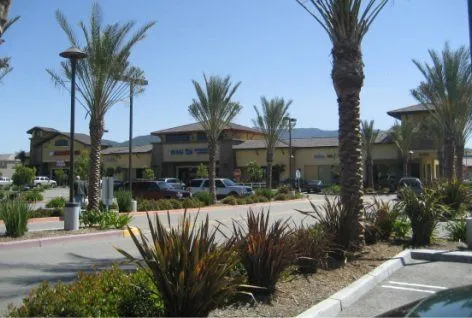
Traffic Engineering
Traffic engineering is a vital part of transportation planning and design, focused on the safety and efficiency of roadways, intersections, and parking facilities. Masson & Associates provides traffic engineering services for public agencies, developers, and private clients throughout Southern California.
Whether you are planning a new development, an expansion, or improvements to an existing facility, we can help you evaluate traffic impacts, satisfy agency requirements, and deliver plans that are ready for construction.
Traffic Engineering Services
From traffic studies through construction documents
Traffic Studies & Analysis
- Traffic impact studies (TIS)
- Vehicle miles traveled (VMT) and CEQA transportation analysis
- Transportation demand management (TDM) studies
- Parking utilization, demand, and justification studies
- Traffic data collection and analysis
- Vehicular and truck turning analysis
- Loading studies
Design & Plans
- Intersection design and geometric improvements
- Traffic signal design and optimization
- Signing and striping plans
- Turn-lane and roadway improvement plans
- Roadway and parking lot design and layout
- Temporary traffic control plans for construction
Safety & Operations
- Traffic calming and speed management strategies
- Road safety audits
- Multi-modal streets and shared space concepts
Logistics & Management
- Construction management plans
- Transportation logistics optimization
Related Projects
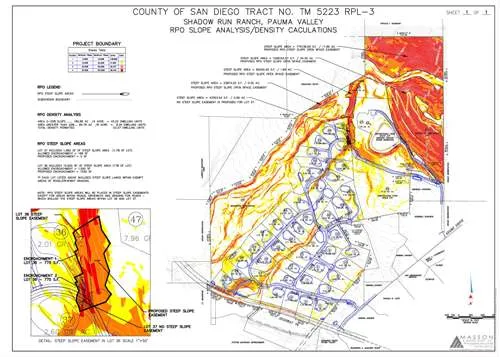
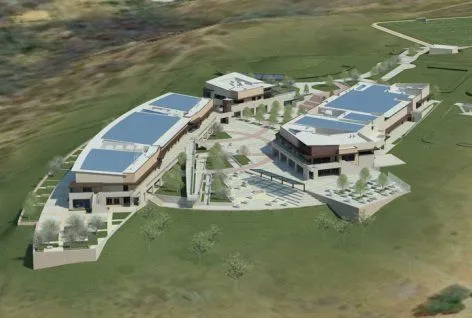
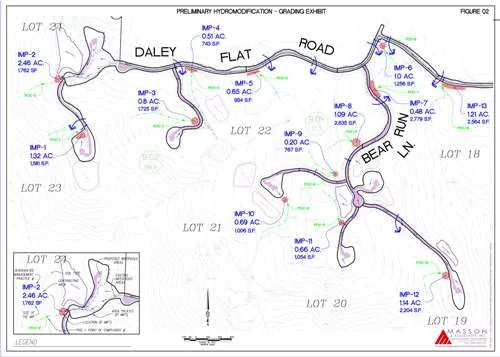
Traffic engineering in practice

FAQ
Traffic engineering questions
What is a traffic impact study (TIS)?
A traffic impact study evaluates how a proposed project will affect the surrounding street network — intersections, driveways, and roadway segments. It identifies where added traffic may cause delays or safety concerns and recommends improvements, such as turn lanes, signal modifications, or signing and striping changes, that allow the project to proceed. Many cities and counties in California require a traffic study as part of the entitlement or permit process, and the scope is typically set by the reviewing agency.
What is VMT analysis, and when is it required?
Since Senate Bill 743 changed the CEQA Guidelines, transportation impacts in California are generally measured by vehicle miles traveled (VMT) rather than intersection delay (level of service). VMT analysis estimates the amount and distance of vehicle travel generated by a project and compares it against thresholds adopted by the lead agency. A project may need a VMT analysis to support environmental review, while a more traditional traffic impact study may still be required by a city or county for permit review.
When does a project need a temporary traffic control plan?
Temporary traffic control (TTC) plans — sometimes called traffic control plans or construction staging plans — are typically required whenever construction, utility work, or a special event affects public streets, sidewalks, or parking. A TTC plan shows how traffic, pedestrians, bicyclists, and access will be maintained during each phase of work, using signs, delineators, lane closures, and flagging in conformance with the California MUTCD and the requirements of the permitting agency.
What is the difference between a parking utilization study and a parking demand study?
A parking utilization study measures how much an existing parking supply is actually used, typically through counts by time of day and duration of stay. A parking demand study estimates how much parking a proposed use will need, based on industry data, local surveys, or shared-parking methodologies. Utilization data from comparable sites is often used to support a demand analysis, a parking reduction request, or a shared parking agreement with the local agency.
What information do you need to prepare a proposal for a traffic study?
Useful information includes the project location and address, the proposed land uses and their sizes, the reviewing agency, any agency correspondence or scope requirements, project plans if available, and the desired schedule. Because traffic study requirements vary between jurisdictions, sharing any comments you have received from the city or county helps us scope the work accurately and avoid unnecessary revisions.
Now Hiring
Join Our Traffic Engineering Team
We are growing our traffic engineering practice and hiring for two California-licensed roles: Project Manager – Traffic Engineering and Traffic Engineer.